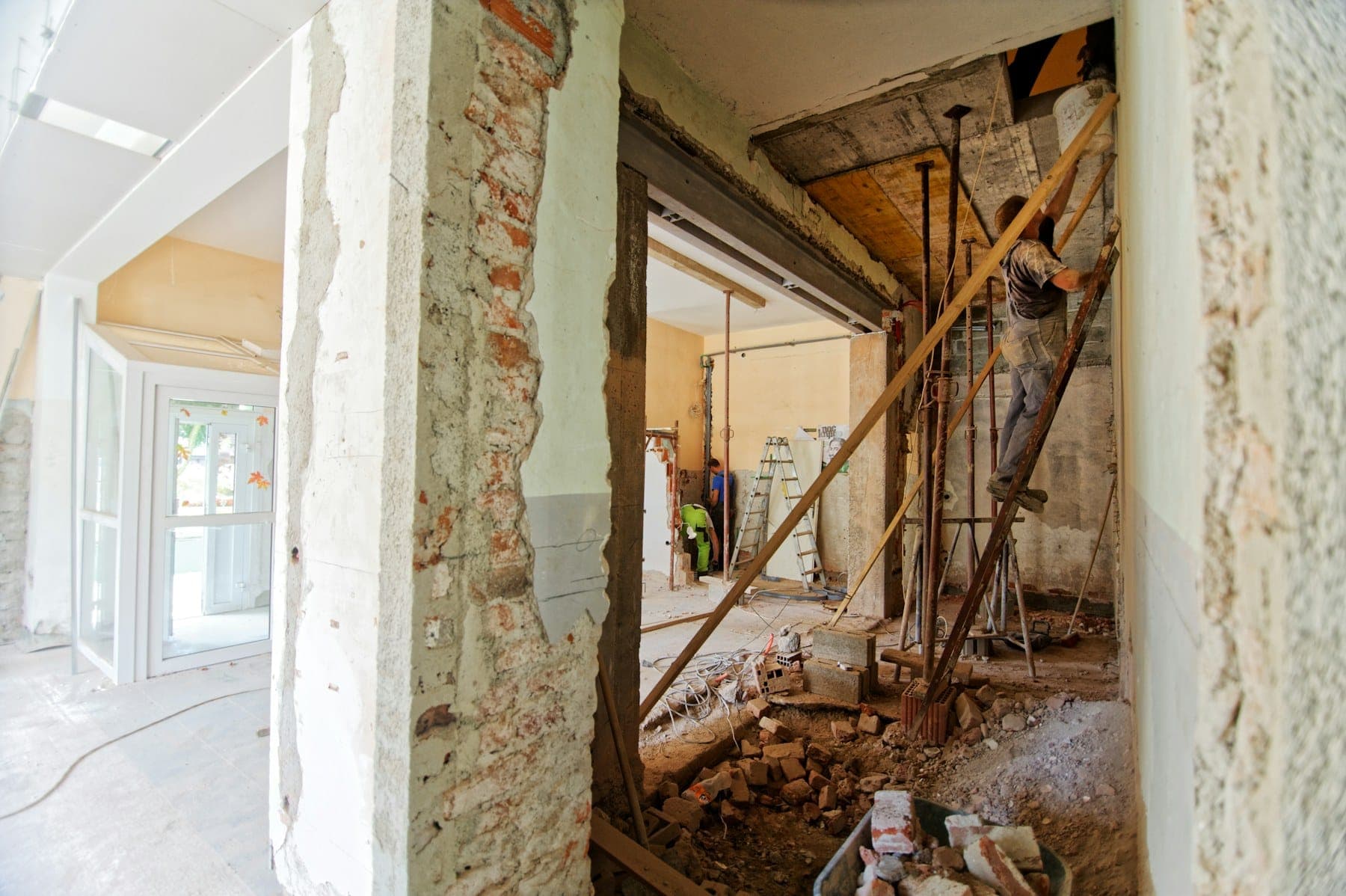


Most progress reports are photographs and reassurance. A useful one tells you where the money is, where the programme is, and what you have to decide next.
Almost every contractor sends something weekly. Very few send something you could act on. The distinction matters most in month seven, when the initial excitement has gone and the only thing standing between you and an unpleasant surprise is the quality of your information.
The four things that belong in it
A report is useful when it answers four questions without you having to ask them.
- What was completed this week, photographed, against what the programme said would be completed.
- The live cost position: contract sum, approved variations, anticipated final account. One line each.
- What we need from you, with a date against each item and a note of what happens if it slips.
- What is now at risk, named honestly, with the mitigation we are proposing.
“A report that only contains good news is not a report. It is marketing with a date on it.”
The decisions register is the important part
Client decisions are the most common cause of delay on a well-run site — not because clients are slow, but because nobody told them a decision was pending until it was already late. Every outstanding decision should be listed every week from the moment it becomes relevant, with the date by which it must be made and the consequence of missing it.
Our clients receive this every Friday. It is unglamorous, it takes our project managers about ninety minutes a week, and it is probably the single highest-return thing we do.
What to do with it
Read the cost line and the risk section first. Photographs are the pleasant part but they are also the part that cannot tell you anything bad. If three consecutive reports show no risks at all on a live construction site, that is itself the finding.