

We are not neutral on this. But the traditional model genuinely is the better answer for some projects, and it is worth knowing which.
In the traditional model you appoint an architect, they design the house, the design is tendered to contractors, and the winner builds it. In design-and-build, one firm does both under a single contract. We are a design-and-build firm and so our view is obviously interested. It is still worth setting out the trade honestly.
What the traditional route gives you
- Genuine price competition at tender, on a like-for-like specification.
- An architect whose only client is you, with no commercial interest in the construction cost.
- Design freedom unconstrained by what one particular builder is good at.
These are real advantages. For a highly bespoke architectural house where the design ambition is the entire point, and where the client has the time and appetite to run a proper tender, the traditional route can be the right one.
What it costs you
The gap between design and construction is a commercial interface, and interfaces are where risk accumulates. When something is wrong on site, the architect says the contractor built it incorrectly and the contractor says the drawing was inadequate. Both are frequently right. You are the only person in the room with an interest in resolving it, and you are the one paying for the delay.
“Every contract boundary is a place where a problem can become somebody else's. Design-and-build removes the boundary rather than managing it.”
Where design-and-build wins
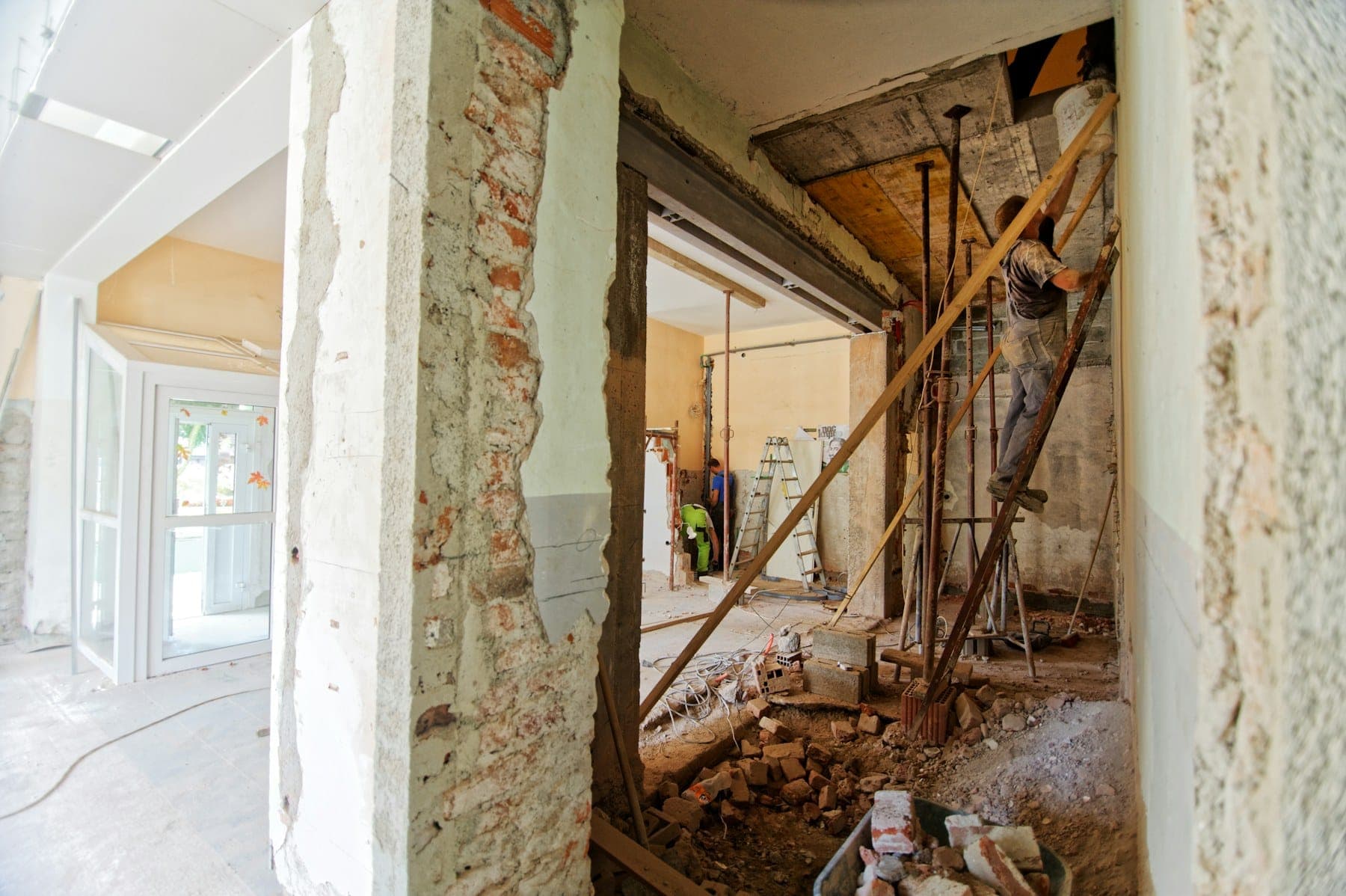
- Renovation of an existing building, where what you find on site changes the design — and the person who has to redesign it is already standing there.
- Programme-critical projects, because design and procurement can overlap.
- Any project where the client's priority is a single point of accountability over the last five per cent of design freedom.
The question that actually decides it
Ask yourself how much time you are willing to spend adjudicating between two firms who disagree. If the answer is any amount at all, the traditional route is available to you and it is a legitimate choice. If the answer is none, you want one contract — and you should then interrogate very hard whether the firm offering it can genuinely design, or whether it is a contractor with a draughtsman.