

A practical map of the approvals between a signed contract and a legal start on site — and which of them you can run in parallel.
Homeowners consistently underestimate this stage. Design gets attention because it is enjoyable and construction gets attention because it is visible, but the eight or so weeks of approvals in between are where optimistic programmes go to die. Here is what the sequence actually looks like.
Who has to say yes
- The relevant building authority — Dubai Municipality for most of the city, or the free-zone authority where your community sits under one such as Trakhees or the DDA.
- Your community developer or master developer, for anything affecting the external envelope, and often for internal works too.
- DEWA, where electrical load increases or the water connection changes.
- Dubai Civil Defence, on larger projects or where fire strategy is affected.
- The owners' association or building management, for anything in a tower.
The realistic timeline
For a full villa transformation with no external changes, budget six to eight weeks from complete submission to permit in hand. Add external alterations — a new opening, a changed roof line, an extension — and it becomes ten to fourteen, because the developer NOC has to land before the authority submission is complete. Structural alterations require a submission stamped by a registered structural engineer, which adds its own lead time.
“The approvals clock does not start when you sign a contract. It starts when the submission is complete — and completeness is entirely within your team's control.”
What causes the delay
In our experience almost all avoidable delay comes from incomplete first submissions. A drawing set missing a detail, a structural calculation not stamped, an NOC applied for in the wrong sequence. Each round trip costs one to three weeks, and three round trips is a quarter of a year.
This is another reason we insist on completing the design before pricing. A finished technical package is also, not coincidentally, a submittable one.
What you can run in parallel
- Long-lead procurement — stone reservation, joinery timber, imported ironmongery, glazing — can begin as soon as the design is fixed.
- Site set-up, hoarding, welfare and utility connections can be arranged pending permit.
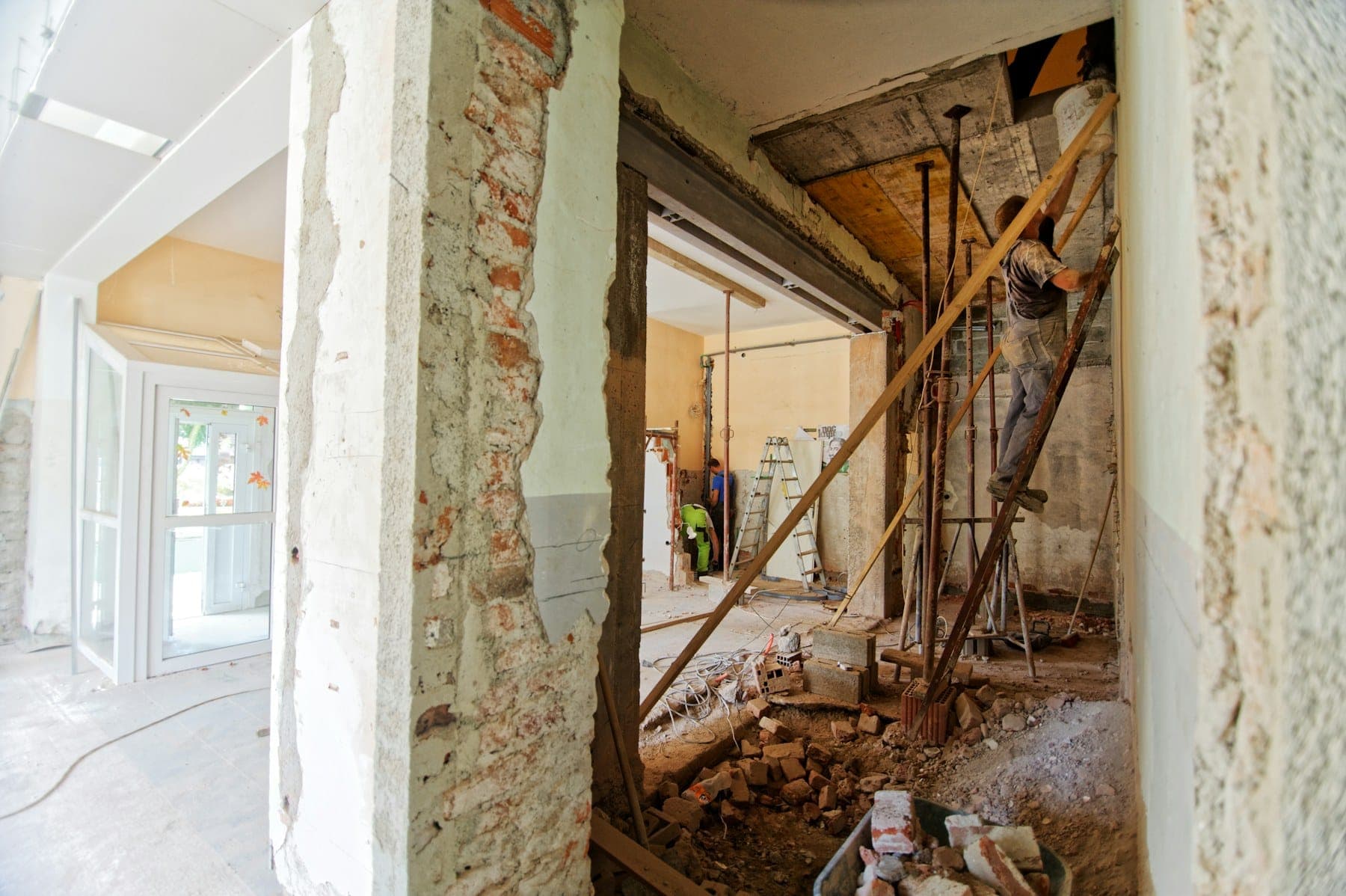
- Demolition of purely internal, non-structural elements is sometimes permissible ahead of the main permit, but confirm this in writing rather than assuming it.
Handled properly, the approvals period is not dead time. It is the window in which everything that has a twelve-week lead time gets ordered — so that the day the permit arrives, the site is genuinely ready.